Is Root Canal Treatment Painful? What to Expect
Written by Dr. Ravi Kumar, BDS, MDS – Prosthodontist & Implantologist
Published Updated 6 min read
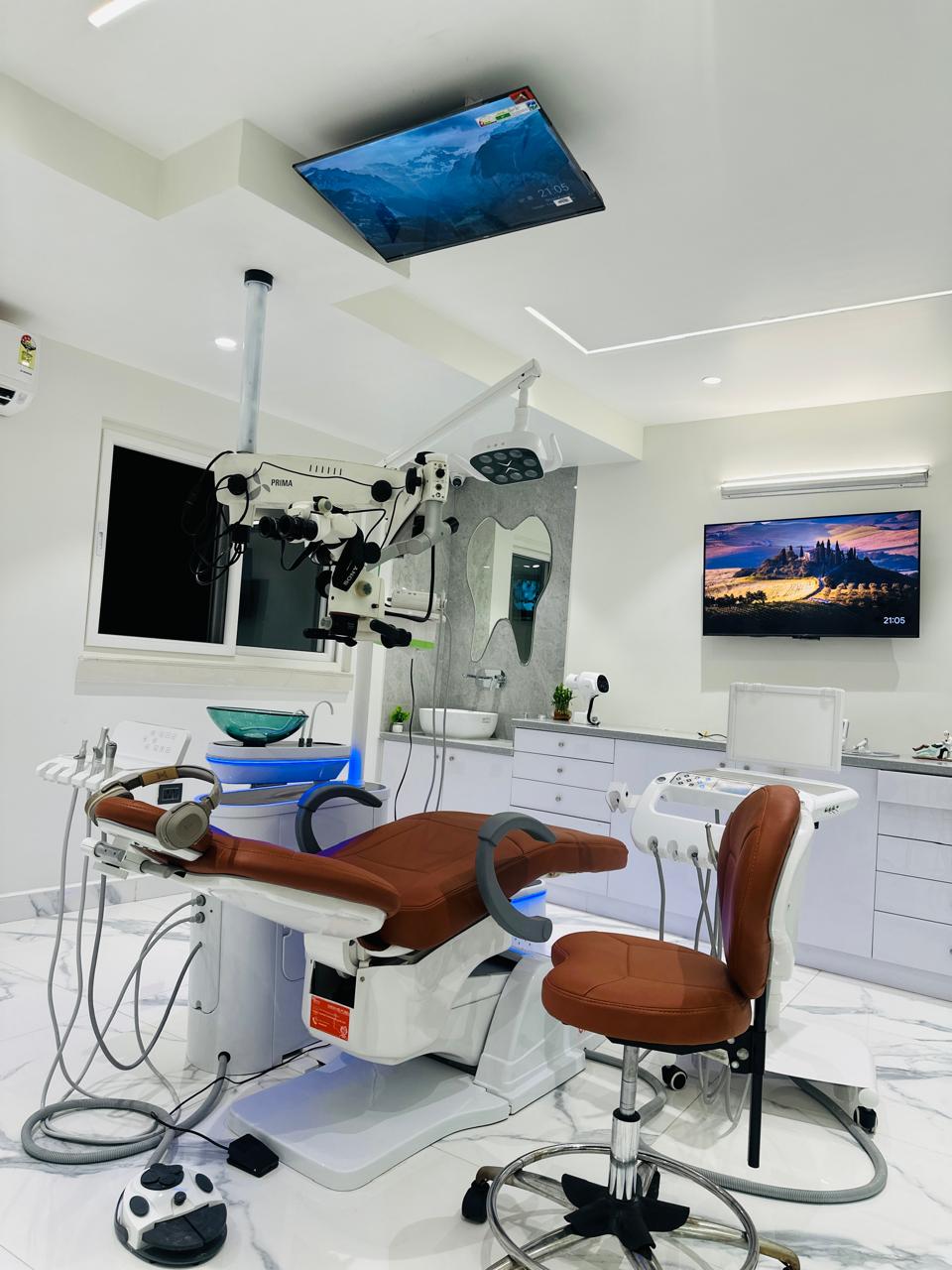
Root canal treatment has an undeserved reputation for being painful, but modern endodontic techniques have made the procedure comfortable and highly effective. This article answers the questions patients in Patna ask us most: does it hurt, how many visits does it take, and what happens afterwards. For details of the treatment at our clinics, see our root canal treatment page.
What Is Root Canal Treatment?
Root canal treatment, also called endodontic therapy, is a dental procedure that removes infected or severely decayed tissue from inside a tooth. This treatment can save your natural tooth and eliminate pain while preventing the need for extraction.
When Do You Need Root Canal Treatment?
Several symptoms may indicate the need for root canal therapy:
- ✓ Severe toothache when chewing or applying pressure
- ✓ Prolonged sensitivity to hot or cold temperatures
- ✓ Discoloration of the tooth
- ✓ Swelling and tenderness in nearby gums
- ✓ A persistent or recurring pimple on the gums
How Is a Root Canal Done, Step by Step?
1. Diagnosis & X-rays
We use digital X-rays and tests of the tooth's nerve to assess the extent of infection and plan the treatment.
2. Local Anesthesia
The area around the tooth is numbed completely, ensuring you feel no pain during the procedure.
3. Cleaning & Shaping
The infected pulp is carefully removed, and the root canals are cleaned and shaped using rotary instruments.
4. Filling & Sealing
The canals are filled with biocompatible material and sealed to prevent reinfection.
5. Crown Placement
A crown is typically placed, especially on back teeth, to restore the tooth's strength and protect it from future fracture.
Is Root Canal Treatment Painful?
With modern local anaesthesia, most patients feel pressure but not pain during a root canal. The treatment usually relieves the pain caused by the infection. Mild tenderness for a few days afterwards is common and is managed with ordinary painkillers. Severe or increasing pain after treatment should be checked.
Can a Root Canal Be Done in a Single Sitting?
Often, yes. Many root canals can be completed in one visit, but a tooth with a severe infection, swelling or complex canals may need two or more visits so the infection can settle first. The dentist decides after examining the tooth and its X-ray, and will tell you the plan before starting.
Is a Root Canal Better Than Pulling the Tooth Out?
Saving your natural tooth through root canal treatment offers several advantages over extraction:
- ✓ Preserves natural chewing function
- ✓ Maintains proper teeth alignment
- ✓ Usually less costly than extraction followed by an implant or bridge
- ✓ Prevents bone loss in the jaw
- ✓ Maintains facial structure
Post-Treatment Care
Most patients return to normal activities the same or next day. Avoid chewing hard food on the tooth until the permanent filling or crown is in place, and keep brushing and flossing as usual. If a tooth can't be saved, dental implants are the usual long-term replacement – see our dental implant guide.
How Long Does a Root Canal-Treated Tooth Last?
Published studies report high success rates for root canal treatment. With a well-fitting crown and good oral hygiene, a root canal-treated tooth can last for many years, often a lifetime.
How Much Does a Root Canal Cost in Patna?
Root canal treatment in Patna typically ranges from ₹3,000 to ₹8,000, depending on the tooth involved and the complexity of the case. A crown, if needed, is charged separately. The exact cost is confirmed after examination.
What Causes the Pulp Inside a Tooth to Become Infected?
The pulp is the soft tissue in the centre of the tooth that contains nerves and blood vessels. It becomes inflamed or infected when bacteria reach it. The common causes are:
- ✓ Deep decay that has spread through the enamel and dentine
- ✓ A crack or chip in the tooth, sometimes too small to see
- ✓ A large or old filling that has leaked
- ✓ An injury to the tooth, even one that happened years earlier
- ✓ Repeated dental work on the same tooth
Once the pulp is badly inflamed it cannot heal on its own. Without treatment the infection can spread to the bone around the root and form an abscess.
What Happens If You Delay a Root Canal?
Delaying treatment rarely makes the problem go away. The pain may stop for a while if the nerve dies, but the infection usually continues and can cause swelling, a gum boil, bone loss around the root or a tooth that breaks. A tooth that could have been saved may then need extraction. If you have swelling of the face, fever or difficulty swallowing, call the clinic the same day.
How Do I Prepare for My Root Canal Appointment?
- ✓ Eat a normal meal beforehand, because your mouth will be numb for a few hours afterwards
- ✓ Bring a list of your medicines and tell the dentist about any heart condition, diabetes, blood thinners or pregnancy
- ✓ Bring any recent dental X-rays you have
- ✓ Allow about 45 to 90 minutes for the appointment, depending on the tooth
Why Do Back Teeth Usually Need a Crown After a Root Canal?
Molars and premolars take most of the chewing force. After a root canal they have often lost a lot of structure to decay and the access opening, so they are more likely to crack. A crown covers and protects the tooth. Front teeth with little damage can sometimes be restored with a filling alone. Your dentist will explain which applies to your tooth; for more on crowns and other restorations, see Dr. Ravi Kumar, our prosthodontist.
What Should I Eat After a Root Canal?
Wait until the numbness wears off before eating, so you don't bite your cheek or tongue. For the first few days choose softer food and chew on the other side. Avoid very hard or sticky food on the treated tooth until the final filling or crown is fitted, because a temporary filling is not as strong.
What Are the Alternatives to Root Canal Treatment?
The only real alternative is to remove the tooth. If a tooth is extracted, the gap is usually best replaced with an implant, a bridge or a partial denture, which adds time and cost. Leaving a gap can let neighbouring teeth drift and affect your bite. Antibiotics alone do not cure an infected pulp; they only help in specific situations such as spreading swelling.
Book a Root Canal Consultation
If you have tooth pain, sensitivity that lingers or swelling around a tooth, book an appointment or call either clinic. Same-day appointments are available for dental pain during clinic hours.
- RPS More, Bailey Road: +91 99555 50045 – Monday to Sunday, 10:00 AM – 8:00 PM
- Anisabad: +91 99050 97454 – Monday to Saturday, 10:00 AM – 8:00 PM (closed Sunday)
About the author: Dr. Ravi Kumar
Dr. Ravi Kumar (BDS, MDS) is a prosthodontist and implantologist with 22 years of experience. He is a former dental surgeon at GM Modi Hospital, New Delhi, Secretary of the Indian Dental Association (Patliputra Branch), a member of the Indian Prosthodontic Society and a life member of the Indian Society of Oral Implantologists.